


Introduction
Knee cartilage damage is a common issue that affects many people, often causing pain, stiffness, and difficulty moving about. When the cartilage inside the knee wears down, it reduces the cushioning and smooth movement that keep the joint comfortable. This can make everyday activities challenging.
Among the treatments available, injection therapies like gel injections and cortisone shots are frequently used to ease knee pain. This article compares these two options to help patients and healthcare professionals make well-informed choices. Specialist clinics such as the London Cartilage Clinic offer expert guidance from professionals like Professor Paul Lee, who has extensive experience in orthopaedics and rehabilitation.
Understanding Knee Cartilage Damage and Injection Treatments
Cartilage is the smooth, rubbery tissue that cushions bones in the knee joint and allows them to move smoothly against each other. When cartilage becomes damaged—due to osteoarthritis, injury, or ageing—it loses its protective qualities, leading to pain and inflammation.
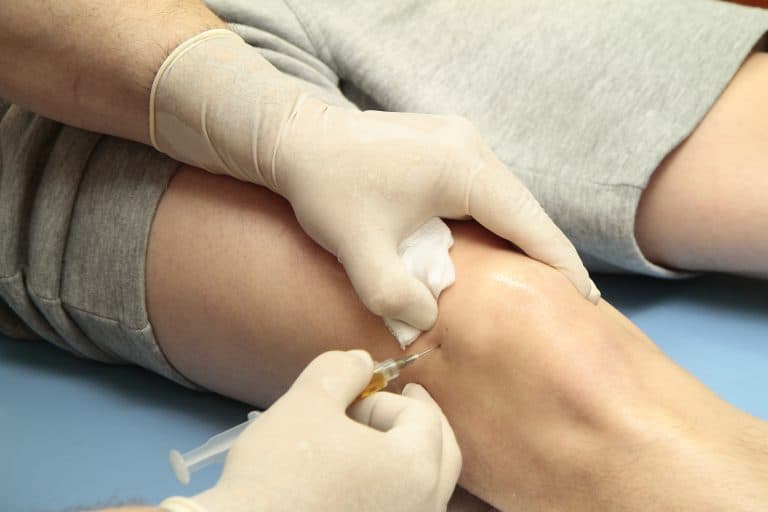
Injection treatments provide a less invasive way to manage knee pain. Gel injections, often called viscosupplementation, involve injecting a gel made from hyaluronic acid into the joint. This gel supplements the natural lubricating fluid, helping the joint move more smoothly and reducing discomfort gradually over time.
According to research, “the ChondroFiller liquid method is a safe and simple workable method” for treating cartilage damage (Schneider, 2016). These collagen-based gels work by forming “a protective layer around the cartilage defect while stimulating the growth of chondrocytes and the consequent induction of cartilage regeneration” (Corain et al., 2023).
Cortisone injections, on the other hand, introduce a potent anti-inflammatory steroid directly into the knee. This reduces swelling and relieves pain more quickly but works differently from gel injections.
How Gel Injections and Cortisone Shots Work
Gel injections improve the cushioning and lubrication inside the knee by boosting the joint’s natural fluid, which often reduces with cartilage damage. Relief usually takes a few weeks to develop and can last from several months up to a year.
Studies have shown promising results, with “all defects able to be filled successfully,” though more research is needed to fully understand long-term effects (Schneider, 2016).
When injecting such treatments, it’s vital the gel reaches the damaged area. In hip cartilage therapy, for example, “the distance between the tip of the needle and the area to be filled should be minimal to ensure full contact with the chondral lesion to avoid losing material” (Perez-Carro et al., 2021). Ensuring precise delivery improves treatment effectiveness, a principle relevant to knee injections too.
Cortisone shots work by quickly reducing inflammation, often easing pain within a few days. However, their effects tend to be shorter-lived—usually lasting weeks or a few months—compared to gel injections.
Professor Paul Lee advises, “Both gel injections and cortisone shots have roles in managing knee cartilage issues. The choice depends on patient-specific factors, including the severity of symptoms and treatment goals.”
Free non-medical discussion
Not sure what to do next?
Information only · No medical advice or diagnosis.
Comparing Effectiveness and Duration of Relief
Gel injections tend to improve symptoms more gradually but provide longer-lasting relief, making them a good option for those with mild to moderate cartilage damage. Clinical findings suggest these gels offer “good immediate filling of all treated defects… and over time, impressive maturation of the reconstructed cartilage” (Schneider, 2016).
Advances in techniques now allow for “the implantation of biologic and injectable materials in a one-step arthroscopic procedure” (Perez-Carro et al., 2021), enhancing treatment precision and patient outcomes.
Though research on gel therapies in the knee is growing, studies on other joints show promising results. For instance, collagen matrix gels have been reported to reduce pain and improve grip strength in hand osteoarthritis, where patients experienced “an improvement in pain symptoms, associated with an increase in force in the pincer and grip movements” (Corain et al., 2023).
Cortisone injections offer faster pain relief, ideal for flare-ups or significant inflammation. However, repeated use carries risks, and their benefit is typically shorter than that of gel injections.
Both injection types can complement broader treatment plans, depending on individual needs.

Suitability, Safety, and Side Effects
Gel injections are generally suited for patients with mild to moderate cartilage damage and preferably those who want a steroid-free option. Studies have found that “adverse events were not reported” in patients receiving collagen gel injections, indicating good short-term safety (Schneider, 2016).
Additionally, MRI scans in patients treated with collagen gel have shown structural improvements, including “reduction of bone oedema and periarticular effusion,” suggesting healing benefits beyond symptom relief (Corain et al., 2023).
Cortisone injections are useful when inflammation is severe or acute. However, patients with diabetes or high blood pressure should proceed cautiously, as cortisone can temporarily affect blood sugar and pressure.
Common side effects of gel injections include mild, short-lived swelling or warmth at the injection site. Cortisone shots might cause soreness or carry a slight risk of infection and tissue weakening if overused.
Patients’ experiences vary. One person receiving gel injections said, “It took some weeks, but my knee became less stiff and painful, making daily walking easier.” Another who had a cortisone injection shared, “The relief was quick and welcome, but I knew it wouldn’t last long, so I combined it with physiotherapy to maximise benefits.”
Clinics like the London Cartilage Clinic ensure thorough assessments and ongoing care to support safe and effective treatment.
Expert Advice for Making Informed Choices
Choosing the best injection treatment requires careful evaluation by specialist orthopaedic professionals. Multidisciplinary teams—including surgeons, physiotherapists, and rehabilitation experts—work together to tailor treatment plans based on each patient’s unique condition and lifestyle.
Leading UK clinics provide a supportive space where patients can discuss options openly with experienced specialists. Professor Paul Lee, an RSA ambassador and Royal College of Surgeons of Edinburgh advisor, exemplifies this expert, patient-centred approach.
If you are considering knee injection therapies, seek advice from a qualified healthcare professional. They can guide you towards the safest and most effective option for your individual needs.
For individual medical advice, please consult a qualified healthcare professional.
References
- Schneider, U. (2016). Controlled, randomized multicenter study to compare compatibility and safety of ChondroFiller liquid (cell free 2-component collagen gel) with microfracturing of patients with focal cartilage defects of the knee joint. Vascular and Nerve Problems, 2016, Article VNP05-2016-1-OA-1. https://doi.org/10.5348/VNP05-2016-1-OA-1
- Perez-Carro, L., Rosi Mendoza Alejo, P., Gutierrez Castanedo, G., Menendez Solana, G., Fernandez Divar, J. A., Galindo Rubin, P., & Alfonso Fernandez, A. (2021). Hip Chondral Defects: Arthroscopic Treatment With the Needle and Curette Technique and ChondroFiller. Arthroscopy Techniques, 10(7), e1609-e1616. https://doi.org/10.1016/j.eats.2021.03.011
- Corain, M., Zanotti, F., Giardini, M., Gasperotti, L., Invernizzi, E., Biasi, V., & Lavagnolo, U. (2023). The Use of an Acellular Collagen Matrix ChondroFiller® Liquid for Trapeziometacarpal Osteoarthritis. Journal of Hand Surgery (European Volume). https://doi.org/10.1177/19476035251354926
Frequently Asked Questions
- Professor Paul Lee is a leading cartilage expert, recognised as a Regional Surgical Ambassador and advisor to the Royal College of Surgeons of Edinburgh. His vast expertise ensures patients receive advanced, thoroughly assessed, and personalised care using the latest injection techniques for knee cartilage damage.
- The clinic uses a multidisciplinary approach, with expert surgeons like Professor Lee, working alongside physiotherapists and rehabilitation specialists. This ensures comprehensive, patient-centred treatment plans, maximising safety, precision, and effectiveness in managing knee cartilage damage through injection therapies.
- Gel injections provide gradual, longer-lasting relief by boosting knee joint lubrication, while cortisone shots work faster to reduce inflammation and pain, though their effects are shorter. London Cartilage Clinic offers both, helping patients choose the most appropriate option for their needs.
- Studies support the short-term safety of gel injections, reporting very few adverse events. London Cartilage Clinic’s specialists ensure rigorous assessment and precise delivery of injections, tailored to each patient for optimal safety and effectiveness in knee cartilage treatment.
- Selecting the most suitable injection therapy needs thorough evaluation by experienced orthopaedic professionals. Under Professor Lee’s expert guidance, London Cartilage Clinic provides tailored advice and individualised plans to support informed, safe, and effective treatment choices for knee cartilage issues.
Legal & Medical Disclaimer
This article is written by an independent contributor and reflects their own views and experience, not necessarily those of London Cartilage Clinic. It is provided for general information and education only and does not constitute medical advice, diagnosis, or treatment.
Always seek personalised advice from a qualified healthcare professional before making decisions about your health. London Cartilage Clinic accepts no responsibility for errors, omissions, third-party content, or any loss, damage, or injury arising from reliance on this material.
If you believe this article contains inaccurate or infringing content, please contact us at [email protected].
London Cartilage Clinic
Modern treatments, designed for lasting knee outcomes
Every treatment plan is selected to help you return to the quality of life you deserve. Our team combines up-to-date techniques with consultant-led decision making across cartilage repair, regeneration and replacement.
What your journey can look like
Step 01
Consultant-Led Assessment
Symptoms, imaging and goals reviewed in one structured appointment.
Step 02
Personalised Treatment Plan
A clear route chosen from repair, regeneration or replacement options.
Step 03
Precision Delivery
Modern techniques and specialist equipment matched to your diagnosis.
Step 04
Long-Term Knee Health
Follow-up guidance focused on durable function and quality of life.
Will the Arthrosamid work for me
PAAG-8+ Questionnaire
A bright, structured entry point for patients exploring Arthrosamid. The questionnaire helps frame suitability, expectations, and 24-month clinical benefit discussion before a fuller consultant-led review.
Designed for shared decision-making. It does not replace specialist consultation, examination, imaging review, or formal medical advice.